
आज की इस Post में Future Perfect Tense in Hindi की पूरी जानकारी विस्तारपूर्वक दी गई है जैसे कि इस Tense का प्रयोग कब किया जाता है, इसकी पहचान क्या है, और इस Tense को प्रयोग करने के कौन-कौन से Rule और Structure हैं और साथ ही साथ हर Type ( Affirmative, Negative, Interrogative, WH Question Sentences) के ढ़ेर सारे Examples और Exercises भी दी गई हैं ताकि आपको समझने में आसानी हो और आपके सारे Doubt अच्छे से clear हो सके।
Future Perfect Tense को हिंदी में पूर्ण भविष्यत काल कहा जाता है। इस Tense की क्रिया से यह बोध होता है कि कोई कार्य भविष्य में किसी निश्चित समय तक या निश्चित समय के पहले समाप्त हो चुका होगा अथवा इस Tense का प्रयोग उस अवस्था में किया जाता है जब भविष्य काल में दो कार्य होंगे और एक कार्य दूसरे कार्य के पहले पूर्ण रूप से समाप्त हो चुका होगा।इस तरह के वाक्यों में निर्धारित समय का उल्लेख करना आवश्यक होता है। जैसे-
1. वह शाम तक दिल्ली पहुंच चुका होगा।
He will have reached Delhi by evening.
2. आठ बजे से पहले हम स्कूल पहुंच चुके होंगे।
We will have reached school before 8 o’clock.
3. तुम्हारे आने से पहले वह अपना पाठ याद कर चुका होगा।
He will have learnt his lesson before you come.

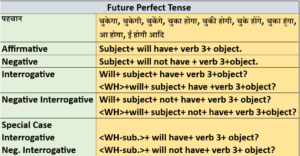
Future Perfect Tense की पहचान–
Future Perfect Tense के हिंदी वाक्यों की क्रियाओं के अंत में चुकेगा, चुकेगी, चुकेंगे, चुका होगा, चुकी होगी, चुके होंगे, चुका हूंगा, आ होगा, ई होगी आदि शब्द आते हैं।
Examples-
वह अपना कार्य शाम 6 बजे तक पूर्ण कर चुका होगा।
He will have completed his work by 6 pm.
मैं मंगलवार तक दस्तावेज़ भेज चुका हूंगा।
I will have sent the documents by Tuesday.
Future Perfect Tense में प्रयोग होने वाली Helping verb तथा Main verb-
Helping Verb ( सहायक क्रिया)
इस Tense में helping verb के रूप में will have का प्रयोग किया जाता है।
Main Verb ( मुख्य क्रिया)
इस Tense में main verb के रूप में verb की 3rd form (V3) का प्रयोग किया जाता है।
Rules– 1. Traditional English में I, We के साथ shall have तथा बाकि सभी persons ( He, she, you, they etc.) के साथ will have का प्रयोग किया जाता था और जब किसी बात पर ज़ोर देना होता तो इस नियम को उलट दिया जाता था यानि तब उस दशा में I,We के साथ will have और बाकि सब के साथ shall have का प्रयोग किया जाता था परन्तु Modern English में shall का प्रयोग अब Tenses में नहीं किया जाता। इसका प्रयोग अब केवल as a modal verb किया जाता है।
2. Future Perfect Tense के वाक्यों में हमेशा एक deadline दी गई होती है। अगर deadline नहीं दी गई है तो ऐसे sentences Future Indefinite Tense में बनाते जाते हैं भले ही देखने में वो sentences Future Perfect Tense के लग रहें हो।
3. अगर आप conversation कर रहे हैं और वहां पर समय का reference आपको पहले से मिला हुआ है या समय अगर understood है तो उस दशा में Future Perfect Tense का प्रयोग बिना Time Reference के भी किया जा सकता है और ये सब Spoken English में चलता है। Written English में स्पष्ट रूप से Time Mention किया हुआ होना चाहिए।
4. इस Tense में सभी Subjects के साथ will have+verb3 का प्रयोग किया जाता है।
Sentence Structures of Future Perfect Tense :
1. Affirmative/Positive sentences of Future Perfect Tense in Hindi (सकारात्मक वाक्य)
Structure: Subject+ will have+ verb 3+object.
Examples-
1. वह तब तक सबकुछ भूल चुकी होगी।
She will have forgotten everything by then.
2. वह 2025 तक अपनी पढ़ाई पूरी कर लेगा।
He will have completed his studies by 2025.
3. वह अगले वर्ष तक इस परियोजना को पूर्ण कर चुका होगा।
He will have finished this project by next year.
4. डॉक्टर के यहां पहुंचने से पहले मरीज़ मर चुका होगा।
The patient will have died before the doctor reaches here.
5. तुम्हारे पत्र लिखने से पहले वह आ चुका होगा।
He will have come before you write a letter.
6. मेरे जाने से पहले वो सो चुका होगा।
He will have slept before I go.
7. उसके आने से पहले मैं अपना काम समाप्त कर चुका होऊंगा।
I will have finished my work before he comes.
8. ट्रेन आने से पहले मैं स्टेशन पहुँच चुका होऊंगा।
I will have reached the station before the train arrives.
9. मौसी के आने से पहले मैं अपनी मां के साथ खरीददारी करने जा चुका होऊंगा।
I will have gone for shopping with my mother before my aunt comes.
10. मेरे पिताजी के दौरे से आने से पहले मैं स्कूल जा चुका होऊंगा।
I will have gone to school before my father comes from his tour.
11. शालू अगले महीने तक वापस घर आ चुकी होगी।
Shalu will have returned home by next month.
12. वह कल तक अपना कोर्स दोहरा चुका होगा।
He will have revised his course by tomorrow.
(B) Negative Sentences of Future Perfect Tense in Hindi
Structure: Subject+ will+ not+ have+ verb 3 + object+ other words.
Examples-
1. मेरे घर पहुंचने से पहले बच्चे नहीं जा चुके होंगे।
The children will not have gone before I reach home.
2. तुम्हारे पत्र लिखने से पहले वह नहीं आ चुका होगा।
He will not have come before you write a letter.
3. मेरे जाने से पहले वो नहीं सो चुका होगा।
He will not have slept before I go.
4. उसके आने से पहले मैं अपना काम समाप्त नहीं कर चुका होऊंगा।
I will not have finished my work before he comes.
5. ट्रेन आने से पहले मैं स्टेशन नहीं पहुंच चुका होऊंगा।
I will not have reached the station before the train arrives.
6. मौसी के आने से पहले मैं अपनी मां के साथ खरीददारी करने नहीं गया होऊंगा।
I will not have gone for shopping with my mother before my aunt comes.
7. मेरे पिताजी के दौरे से आने से पहले मैं स्कूल नहीं जा चुका होऊंगा।
I will not have gone to school before my father comes from his tour.
8. जब तक आप घर पहुंचोगे वह तैयार नहीं हो चुका होगा?
He will not have dressed by the time you reach home.
9. उसके आने से पहले मैंने यह काम नहीं किया होगा।
I will not have done this work before she comes.
10. वह इस साल के अंत तक घर नहीं बना चुका होगा।
He will not have built the house by the end of this year?
(C) Interrogative Sentences of Future Perfect Tense in Hindi
Interrogative sentences दो तरह के होते हैं-
1. Yes-No type questions
2. Wh-words type interrogative sentences
1. Yes-No type questions of Future Perfect Tense in Hindi
ये वो questions होते हैं जिनका जवाब हां या ना में दिया जा सकता हैं। इनकी शुरुआत helping verb से होती हैं।
Structure- Will+ subject+ have+ verb 3+ object+ other words?
1. क्या वर्षा शुरू होने के पहले साहिल जा चुका होगा?.
Will Sahil have gone before it starts raining?
2. क्या तुम मेरे आने से पहले अपना पाठ याद कर चुके होगे?
Will you have learned your lesson before I come?
3. क्या माली के आने से पहले लड़के फूल तोड़ चुके होंगे?
Will the boys have plucked the flowers before the gardener arrives?
4. क्या सूर्य अस्त होने से पहले राम घर पहुंच चुका होगा?
Will Ram have reached home before the sun sets?
5. क्या हमारे स्टेशन पर पहुंचने से पहले गाड़ी चल चुकी होगी?
Will the train have left before we reach the station?
6. क्या डॉक्टर के आने से पहले मरीज़ मर चुका होगा?
Will the patient have died before the doctor comes?
7. क्या मेरे घर पहुंचने से पहले वह गृहकार्य कर चुकी होगी?
Will she have done homework before I reach home?
8. क्या मेरे घर पहुंचने से पहले बच्चे टीवी देख चुके होंगे?
Will the children have watched TV before I reach home?
9. क्या मेरे वहां पहुंचने से पहले वह कहीं जा चुका होगा?
Will he have gone somewhere before I reach there?
10. क्या वो कल सुबह अमेरिका के लिए निकल चुका होगा?
Will he have left for America tomorrow morning?
2. Wh-words type interrogative sentences of Future Perfect in Hindi
जिन वाक्यों की शुरुआत helping verb से ना होकर wh family word से होती है, वो wh-words type interrogative sentences कहलाते हैं।
Structure- Question word+ will+ subject+ have+ verb 3+object+ other words?
1. मेरे यहां पहुंचने से पहले तुम कहां जा चुके होगे?
Where will you have gone before I reach here?
2. पुलिस के आने से पहले चोर कहां भाग चुका होगा?
Where will the thief have run away before the police arrive?
3. मेरे घर पहुंचने से पहले बच्चे कितनी देर टीवी देख चुके होंगे?
How much time will the children have watched TV before I reach home?
4. अध्यापक के आने से पहले बच्चे कहां जा चुके होंगे?
Where will the children have gone before the teacher comes?
5. तुम्हारे वहां पहुंचने से पहले वह कितनी शराब पी चुका होगा?
How much wine will he have had before you get there?
6. मेरे घर पहुंचने से पहले बच्चे कहां चले गए होंगे?
Where will the children have gone before I reach home?
7. हम आज रात तक तुम्हारे बॉयफ्रेंड से कैसे मिल चुके होंगे?
How will we have met your boyfriend by tonight?
8. मेरे घर आने से पहले तुम क्या पका चुके होगे?
What will you have cooked before I come home?
9. इस साल के अंत तक हम कितने पैसे कमा चुके होंगे?
How much money will we have earned by the end of this year?
10. दिसंबर से पहले आप कहां-कहां घूम चुके होंगे?
Where all will you have visited before December?
(D) Negative Interrogative Sentences of Future Perfect Tense in Hindi
ये भी दो प्रकार के होते हैं-
1. Yes-No Type Negative Questions of Future Perfect Tense
इन वाक्यों में helping verb वाक्य के शुरू में आती है और ‘not’ subject के बाद।
Structure: Will+ sub.+not+ have+ verb 3+object+other words+?
1. क्या सोने से पहले उसने अपना होमवर्क पूरा नहीं किया होगा?
Will she not have completed her homework before she sleeps?
2. क्या अध्यापक के आने से पहले उसने पत्र नहीं लिखा होगा?
Will he not have written a letter before the teacher comes?
3. क्या तुम्हारे आने से पहले वह कंप्यूटर बंद नहीं कर चुका होगा?
Will he not have turned off the computer before you come?
4. क्या पिताजी के आने से पहले बच्चे नहीं सो चुके होंगे?
Won’t the kids have fallen asleep before the father comes?
5. क्या तुम्हारे आने से पूर्व वह फल नहीं खरीदे चुका होगा?
Won’t he have bought the fruit before you come?
6. क्या वह सूर्य डूबने से पहले पूजा नहीं कर चुका होगा?
Will he not have worshipped before the sunset?
7. क्या वह अब तक लखनऊ नहीं पहुंच चुका होगा?
Would he not have reached Lucknow by now?
8. क्या रिया कल सुबह तक पौधों को पानी नहीं दे चुकी होगी?
Will Riya not have watered the plants by tomorrow morning?
9. क्या यश कल शाम तक नई कार नहीं खरीद चुका होगा?
Will Yash not have purchased a new car by tomorrow evening?
10. क्या तुम पांच बजे तक अपना काम पूरा नहीं कर चुके होगे?
Will you not have finished your work by 5 o’clock?
2. Wh-word Type Negative Questions of Future Perfect Tense in Hindi
इन वाक्यों की शुरुआत helping verb से नहीं बल्कि WH family word से होती है तथा subject के बाद ‘not’ का प्रयोग किया जाता है।
Structure: Wh-word+ will+ sub.+not+have+ verb 3+ object+ other words+?
1. वह मार्च से पहले शादी क्यों नहीं कर चुका होगा?
Why will he not have got married before March?
2. अध्यापक के आने से पहले उसने पत्र क्यों लिखा होगा?
Why will he not have written a letter before the teacher comes?
3. उसने सोने से पहले दूध क्यों नहीं पिया होगा?
Why will he not have taken milk before he sleeps?
4. उसने आज सुबह तुमसे बात क्यों नहीं की होगी?
Why would he not have talked to you this morning?
5. नीतीश उस दिन पार्टी में क्यों नहीं गया होगा?
Why would Nitish not have gone to the party that day?
6. तुम्हारे आने से पहले उसने कंप्यूटर बंद क्यों नहीं किया होगा?
Why will he not have turned off the computer before you come?
7. पिताजी के आने से पहले बच्चे क्यों नहीं सोये होंगे?
Why won’t the kids have fallen asleep before the father comes?
8. शाम तक वह घर वापस क्यों नहीं लौटा होगा?
Why would he not have returned home by evening?
9. तुम्हारे आने से पूर्व उसने फल क्यों नहीं खरीदे होंगे?
Why will he not have bought the fruit before you come?
10. उसने सूर्यास्त से पहले पूजा क्यों नहीं की होगी?
Why will he not have worshipped before the sunset?
11. वह नौ बजे तक स्कूल क्यों नहीं जा चुका होगा?
Why will he not have gone to school by nine o’clock?
Special Case- जब वाक्य में subject के बारे में ही पूछा जाता है यानि जब wh family member, subject को ही refer करें तो उस दशा में sentence structure affirmative sentence की ही तरह होता है।
Structure-
Interrogative: <WH-sub.>+ will have +v3 + object+ other words?
Neg. Interrogative: <WH-sub.>+will+ not+have+ v3 + object+ other words?
Examples-
1. आज सुबह यहां कौन आया होगा?
Who would have come here this morning?
2. कौन उस समय तक इन प्रश्नों को हल कर चुका होगा?
Who will have solved these questions by that time?
3. आप में से कितने अगले साल तक जॉब पा चुके होंगे?
How many of you will have found/got the job by the next year?
4. उसे यहां किसने बुलाया होगा?
Who would have called him here?
5. सूरज छिपने से पहले कितने लड़के यहां आ चुके होंगे?
How many boys will have come here before the sun sets?
6. कल सुबह तक इस काम को कौन कर चुका होगा?
Who will have done this work by tomorrow morning?
7. मेरे आने से पहले कौन चॉकलेट खा चुका होगा?
Who will have eaten the chocolate before I come?
8. हमारे जागने से पहले इस कार्य को कौन-सा नौकर कर चुका होगा?
Which servant will have done this work before we wake up?
Contraction with Future Perfect Tense in Hindi
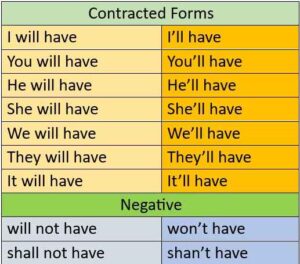
जब हम Future Perfect Tense का प्रयोग speaking में करते हैं तब हम अक्सर subject तथा first auxiliary verb को contract करके बोलते हैं। कभी-कभी, अनौपचारिक लेखन में भी हम short form का प्रयोग करते हैं।
When we use the Future Perfect in speaking, we often contract the subject and the first auxiliary verb. Sometimes, we also do it in informal writing.
Uses of Future Perfect Tense
Future Perfect Tense is used:
1. To talk about an action that will be completed by a certain time or before a certain time in the future.
Future Perfect Tense का प्रयोग हम उस कार्य के लिए करते है जो भविष्य में एक निश्चित समय तक या निश्चित समय से पहले पूरा हो चुका होगा।
Examples-
1. इस महीने के अंत तक, मैं यह प्रोजेक्ट खत्म कर चुका होऊंगा।
I will have completed this project by the end of this month.
2. अगले साल मार्च तक, वे लोग पुल बना चुके होंगे।
They will have built the bridge by March next year.
3. रूचि 2 बजे तक पाठ याद कर चुकी होगी।
Ruchi will have learnt the lesson by 2 o’clock.
4. हम शाम तक तुम्हें पैसे दे चुके होंगे।
We will have given you money by evening.
5. वे तब तक समस्या का समाधान कर चुके होंगे।
They will have fixed the problem by then.
Note- The time before the action happens in the future perfect tense is important to mention unless it is understood or mentioned by the speaker or the listener.
(Future Perfect Tense के वाक्यों में एक deadline का होना आवश्यक होता है जबतक कि इसे वक्ता या श्रोता द्वारा समझा या उल्लेखित नहीं किया जाता है।)
2. To describe an action that will be completed before another event takes place in the future
किसी ऐसे कार्य को व्यक्त करने के लिए जो भविष्य में किसी और कार्य के होने से पहले पूरा हो चुका होगा।
Note- इस तरह के वाक्यों में दो तरह के वाक्यों का उल्लेख किया जाता है। पहले समाप्त हुए कार्य के लिए Future Perfect Tense और बाद में समाप्त हुए कार्य के लिए Present Indefinite Tense का प्रयोग किया जाता है।
जो कार्य पहले होगा- Future Perfect Tense (Subject+ will have+V3+object.)
जो कार्य बाद में होगा- Present Indefinite Tense (Subject+ verb 1+(s/es)+object.)
Examples-
1. सूरज ढ़लने (अस्त होने) से पहले पक्षी सो चुके होंगे।
The birds will have slept before the sun sets.
2. जब मैं उसके घर पहुंचूंगा तो वह भोजन कर चुका होगा।
He will have taken food when I reach his house.
Or
When I reach his house, he will have taken food.
3. जब तुम वापस आओगे तो मैं पुस्तक खरीद चुका हूंगा।
I will have bought the book when you return.
4. मेरे घर पहुँचने से पहले बच्चे चले गए होंगे।
The children will have gone before I reach home.
3. If there is a sense of past/present ( it seems as if the sentence is not in the future), in such situations, we use would instead of will.
अगर sentence में Future के बजाय present या past का बोध हो रहा हो, ऐसा लग रहा हो जैसे वाक्य तो Future में है ही नहीं। ऐसे में will की जगह would का प्रयोग किया जाता है।
Examples-
वह अब तक समाचार पत्र पढ़ चुका होगा।
He would have read the newspaper by now.
(अब तक यानि present के समय तक कोई कार्य हो चुका है यानि ये बीते समय की बात हो गई। समाचार पत्र पढ़ने का काम तो वह पहले ही कर चुका होगा बीते कल में। यानि Future की तो बात ही नहीं हो रही है। इस दशा में will have की जगह would have का प्रयोग किया जाएगा।)
इसी तरह के कुछ और उदाहरण इस प्रकार है-
तुमने उस एक्सीडेंट के बारे में सुना होगा।
You would have heard about that accident.
वो अब तक खेल चुका होगा।
He would have played by now.
तुमने हैरी पॉटर फिल्म देख ली होगी।
You would have watched the movie Harry Potter.
अभिषेक ने अब तक वह उपन्यास पढ़ लिया होगा।
Abhishek would have read that novel by now.
Future Perfect Tense Exercises
Translate the following sentences into English:
Exercise 1
(Affirmative Sentences of Future Perfect Tense in Hindi)
1. मैं दस बजे तक अपने स्कूल पहुंच चुका हूंगा।
2. वह तुम्हारे आने से पहले अपना कार्य समाप्त कर चुका होगा।
3. हमारे सोने से पहले वह घर चली गई होगी।
4. मैं सोमवार तक यह काम समाप्त कर चुका होऊंगा।
5. मैं शाम तक अपना होमवर्क पूरा कर चुका हूंगा।
6. आपके वहां पहुंचने से पहले वह कमरा साफ कर चुकी होगी।
7. उसके यहां आने से पहले मैं पत्र लिख चुका होऊंगा।
8. जब तक हम लौटेंगे तब तक वह सारा खाना खा चुका होगा।
9. आपके स्टेशन पहुंचने से पहले ट्रेन आ चुकी होगी।
10. आपके वापस आने से पहले मैं पूरी किताब पढ़ चुका हूंगा।
11. वह अगले मंगलवार तक अपने माता-पिता से इस मामले पर चर्चा कर चुकी होगी।
12. शाम को जब आप वापस आओगे तब तक मैं अपना काम ख़त्म कर चुका होऊंगा।
Answers-
I will have reached my school by 10 o’clock.
2. He will have finished his work before you come.
3. She will have gone home before we sleep.
4. I will have finished this work by Monday.
5. I will have finished my homework by evening.
6. She will have cleaned the room before you reach there.
7. I will have written the letter before she comes here.
8. He will have eaten all the food by the time we return.
9. The train will have come before you reach the station.
10. I will have read the whole book before you come back.
11. She will have discussed the matter with her parents by next Tuesday.
12. I will have finished my work by the time you come back in the evening.
Exercise 2
(Negative Sentences of Future Perfect Tense in Hindi)
1. तुम कल तक इस काम को समाप्त नहीं कर चुके होंगे।
2. शिक्षक के आने तक हम ये सभी अभ्यास नहीं कर चुके होंगे।
3. वह कल तक मेरी घड़ी की मरम्मत नहीं कर चुका होगा।
4. आपके पहुंचने से पहले मैं अपना भोजन नहीं कर चुका हूंगा।
5. माली 5 बजे तक पौधों को पानी नहीं दे चुका होगा।
6. मैं सोमवार तक यह कार नहीं खरीद चुका हूंगा।
7. उसके नहाने से पहले पिताजी नहीं आ चुके होंगे।
8. वह शाम तक अपने कपड़े नहीं धो चुकी होगी।
9. हम सुबह तक दिल्ली नहीं पहुंच चुके होंगे।
10. वह चार बजे तक नहीं उठ चुका होगा।
Answers-
1. You will not have finished this work by tomorrow.
2. We will not have done all these exercises by the time the teacher comes.
3. He will not have repaired my watch by tomorrow.
4. I will not have taken my meals before you reach.
5. The gardener will not have watered the plants by 5 o’clock.
6. I will not have purchased this car by Monday.
7. Father will not have come before he takes a bath.
8. She won’t have washed her clothes by evening.
9. We will not have reached Delhi by morning.
10. He will not have got up by 4 o’clock.
Exercise 3
(Interrogative Sentences of Future Perfect Tense in Hindi)
(जब वाक्य के शुरू में ‘क्या’ हो)
1. क्या प्रधानाचार्य के आने से पहले अध्यापक जा चुके होंगे?
2. क्या वंशिका शाम तक अपना काम पूरा कर चुकी होगी?
3. क्या वो 2025 तक ग्रेजुएशन कर चुका होगा?
4. क्या हम शाम को दिल्ली पहुंच चुके होंगे?
5. क्या वह पांच बजे खेल चुका होगा?
6. क्या डाकिया शाम तक डाक पहुंचा चुका होगा?
7. क्या परीक्षा शुरू होने से पहले वे अपनी पुस्तकें दोहरा चुके होंगे?
8. क्या ट्रेन शुरू होने से पहले यात्रियों ने टिकट खरीद लिया होगा?
9. क्या हम अगले महीने तक अपना प्रशिक्षण पूरा नहीं कर चुके होंगे?
10. क्या अब तक मैच शुरू नहीं हो चुका होगा।
Answers-
1. Will the teachers have gone before the Principal comes?
2. Will Vanshika have finished her work by evening?
3. Will he have done graduation by 2025?
4. Will we have reached Delhi in the evening?
5. Will he have played at 5?
6. Will the postman have delivered the post by evening?
7. Will they have revised their books before the examination begins?
8. Will the passengers have bought the tickets before the train starts?
9. Will we not have completed our training by next month?
10. Would the match not have begun by now?
Exercise 4
(Interrogative Sentences of Future Perfect Tense in Hindi)
(जब वाक्य के बीच में wh-word हो)
1. वे पांच बजे कहां जा चुके होंगे?
2. आप अपने जीवन के अंत तक क्या हासिल कर चुके होंगे
3. महीने के अंत तक आप अपने कौशल में कैसे सुधार कर चुके होंगे?
4. अध्यापक के कक्षा में प्रवेश करने से पहले तुम प्रश्न कैसे हल कर चुके होंगे?
5. डॉक्टर के आने से पहले रोगी दवाई क्यों नहीं पी चुका होगा?
6. वह अगले महीने तक यहां से क्यों जा चुका होगा?
7. वह कल शाम तक नौकरी क्यों छोड़ चुका होगा?
8. माली के आने से पहले लड़के फल क्यों नहीं तोड़ चुके होंगे?
9. मेरे आने से पहले गरिमा कितने केले खा चुकेगी?
10. दिवाली से पहले तुम इस घर को क्यों नहीं सजा चुकोगे?
Answers-
1. Where will they have gone at 5?
2. What will you have achieved by the end of your life?
3. How will you have improved your skills by the end of the month?
4. How will you have solved the sums before the teacher enters the class?
5. Why will the patient not have taken the medicine before the doctor arrives?
6. Why will he have gone from here by next month?
7. Why will he have left the job by tomorrow evening?
8. Why will the boys not have plucked the fruits before the gardener comes?
9. How many bananas will Garima have eaten before I come?
10. Why will you not have decorated this house before Diwali?
Conclusion:
इस Article में हमने Future Tense के तीसरे उपभाग Future Perfect Tense के बारे में विस्तार से समझा। हमने देखा कि Future Perfect Tense की परिभाषा क्या होती है, इसकी पहचान, वाक्यों को बनाने के नियम आदि। इस पोस्ट को पढ़ने के बाद आप नीचे दिए गए सभी Tense Exercises को solve करने का प्रयास अवश्य करें ताकि आप यह अनुमान लगा सके कि आपको Future Perfect Tense के बारे में कितनी जानकारी हो चुकी है।
हमें आशा है कि आपको ये Article अच्छा लगा होगा और इस आर्टिकल की सहायता से आपको Future Perfect Tense को समझने में काफी मदद मिली होगी। अगर आपके मन में कोई सवाल हो तो आप हमें नीचे comment में पूछ सकते हैैं तथा इस आर्टिकल को आप अपने मित्रों के साथ सोशल मीडिया पर शेयर जरुर करें।
Read More Posts:
Present Indefinite Tense in Hindi
Present Continuous Tense in Hindi
Present Perfect Tense in Hindi
Present Perfect Continuous Tense in Hindi
Past Continuous Tense in Hindi
Past Perfect Continuous Tense In Hindi
Future Continuous Tense in Hindi